Food has a remarkable way of connecting people across distance and time. A familiar aroma can bring back memories of home, while an unfamiliar spice or cooking technique can open a door to a completely different part of the world. That tension between the familiar and the unknown is exactly what makes exploring world flavors so endlessly rewarding.
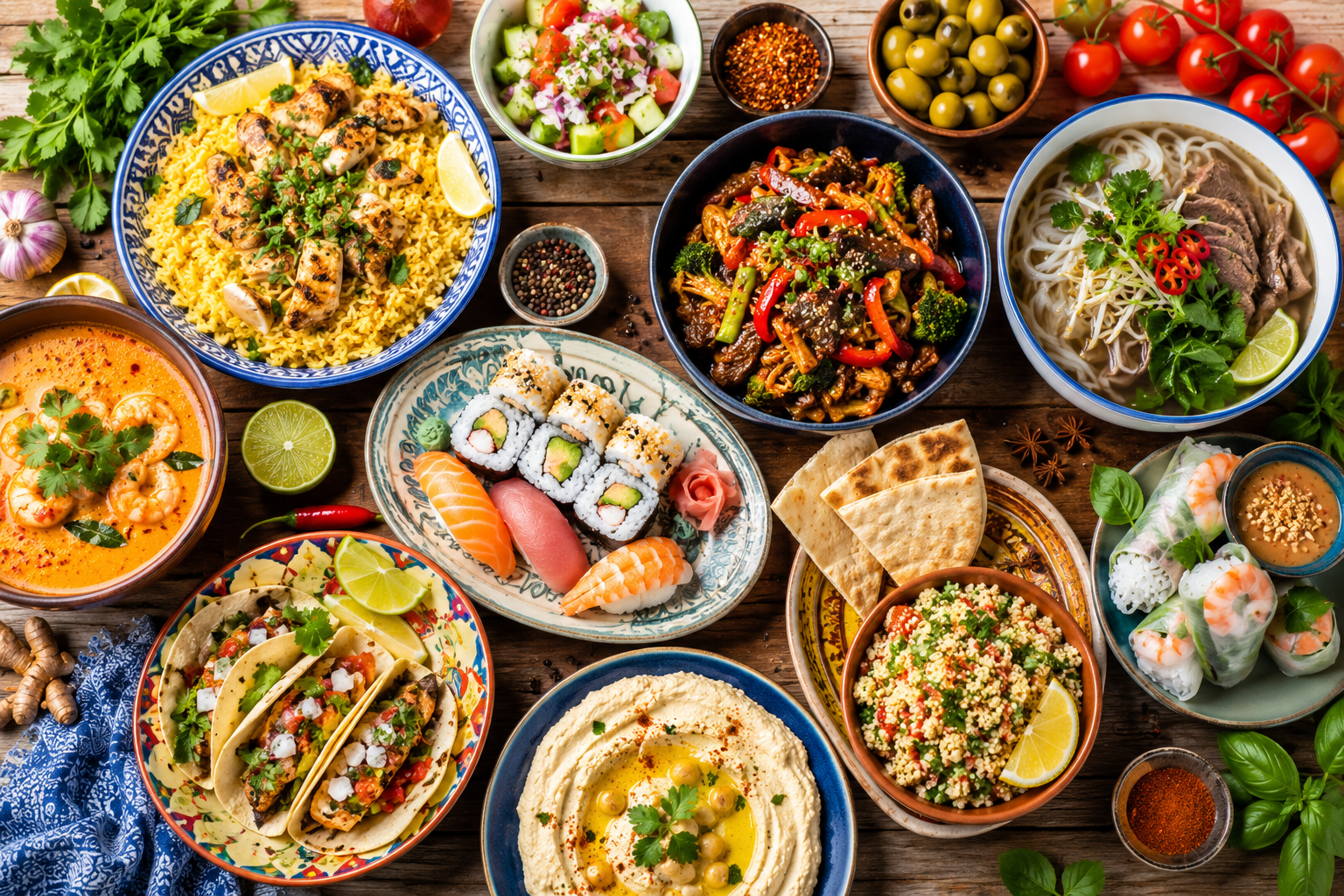
Every region carries its own ingredients, traditions, cooking methods, and stories. From the fragrant spice blends of South Asia to the sun-drenched simplicity of the Mediterranean, from the deeply comforting dishes of East Asia to the bold, layered cooking of Latin America — food reflects the people and places behind it in ways that no other art form quite manages.
At TrendFlavors, World Flavors is a space built for that kind of discovery. It is not simply about gathering recipes from different countries. It is about understanding why certain ingredients matter, how traditional dishes developed over centuries, and how food continues to evolve as cultures meet, trade, and influence one another.
Why World Flavors Matter
Cuisine is shaped by geography, climate, agriculture, history, and the quiet passing of knowledge between generations. The ingredients that define cooking in one region may be entirely absent thousands of miles away. That difference is what creates extraordinary culinary diversity — and extraordinary culinary diversity is what makes food one of the most interesting lenses through which to understand human culture.
In some places, fresh herbs and vegetables form the foundation of everyday meals. In others, grains, legumes, fermented foods, or carefully prepared spice blends take center stage. Cooking methods vary just as widely — from slow braising and open-fire grilling to steaming, baking, stir-frying, and pickling. These are not just techniques. They are knowledge systems, passed from one generation to the next, often without a written recipe in sight.
Exploring Food Beyond the Familiar
Trying food from another culture does not require rare ingredients or a complicated recipe. Often, the best introduction to a new cuisine starts with one familiar ingredient prepared in an unfamiliar way.
Rice, for example, appears in culinary traditions across dozens of countries — but the preparation, seasoning, texture, and accompanying ingredients can be completely different from one region to the next. The same observation applies to potatoes, tomatoes, beans, noodles, bread, seafood, chicken, and most everyday vegetables. Exploring world cuisine allows us to see ingredients we already know from an entirely new angle.
A simple meal can become an opportunity to discover a different combination of spices, textures, aromas, and cooking approaches. That is a genuinely exciting thing, and it does not require a passport.
The Role of Spices and Seasonings
Spices are often the quickest way to recognize the character of a cuisine. Cumin, coriander, turmeric, cinnamon, cardamom, chili, ginger, garlic, paprika, and black pepper each carry a distinct personality — and their combinations across different culinary traditions can vary dramatically.
But a spice alone does not tell the full story of a dish. The cooking method, the timing, the regional ingredients used alongside it, and the balance of heat, acid, salt, and fat are equally important. This is why two dishes that share some of the same spices can still taste completely different. Learning about these combinations does not just expand your palate — it makes home cooking far more interesting. Sometimes adding a single new herb, spice, or sauce is enough to give a familiar meal an entirely different character.
Mediterranean Food and the Culture of Sharing
The Mediterranean offers a particularly compelling example of how food and culture can become deeply intertwined. Mediterranean culinary traditions extend far beyond any ingredient list — they encompass farming, fishing, preservation, preparation, and above all, the social practice of gathering around food together.
This matters when thinking about world flavors because food is rarely only about nutrition. It represents hospitality, identity, celebration, memory, and community all at once. A recipe tells us what to cook. Food culture tells us why people cook it in the first place — and that context changes everything about how a dish is understood and enjoyed.
Food Traditions Continue to Evolve
Traditional cuisine is not frozen in time. As people travel, migrate, trade, and share ideas, cooking traditions change naturally. Ingredients cross borders. Techniques are adapted. New dishes emerge from cultural exchange that could not have existed without it.
This is one reason modern food culture feels so alive. A dish may have deep traditional roots in one region while developing a completely new identity somewhere else. The result can be something genuinely original while still carrying traces of the traditions that inspired it. That ongoing evolution is not a corruption of tradition — it is how culinary culture has always worked.
Fresh Ingredients Make Global Cooking Accessible
You do not need a professional kitchen to explore international food. Many global dishes begin with simple ingredients that are straightforward to find — fresh vegetables, fruits, grains, beans, herbs, spices, eggs, seafood, and poultry. What transforms them is technique and seasoning, not expense or complexity.
The key ingredient is curiosity. Try roasting vegetables with a different herb combination. Add a new spice blend to plain rice. Prepare a simple noodle dish with an unfamiliar sauce. Use fresh citrus and herbs to lift grilled food. Small adjustments can introduce genuinely new flavors without making cooking feel overwhelming.
Bringing World Flavors Into Your Kitchen
One of the most enjoyable aspects of exploring international food is discovering how easily global inspiration can fit into everyday cooking. You can start with one country or region that interests you — learn about a few traditional ingredients, try a straightforward dish, and pay attention to the flavors and techniques involved. Then move on to another cuisine when you are ready.
You might find yourself drawn to the brightness of Mediterranean cooking, the aromatic complexity of South Asian cuisine, the precision and balance found in Japanese food, the bold layered combinations of Mexican cooking, or the deeply comforting dishes found across many European traditions. There is no single correct way to explore. The goal is simply to learn, taste, experiment, and enjoy the process.
A Taste of TrendFlavors
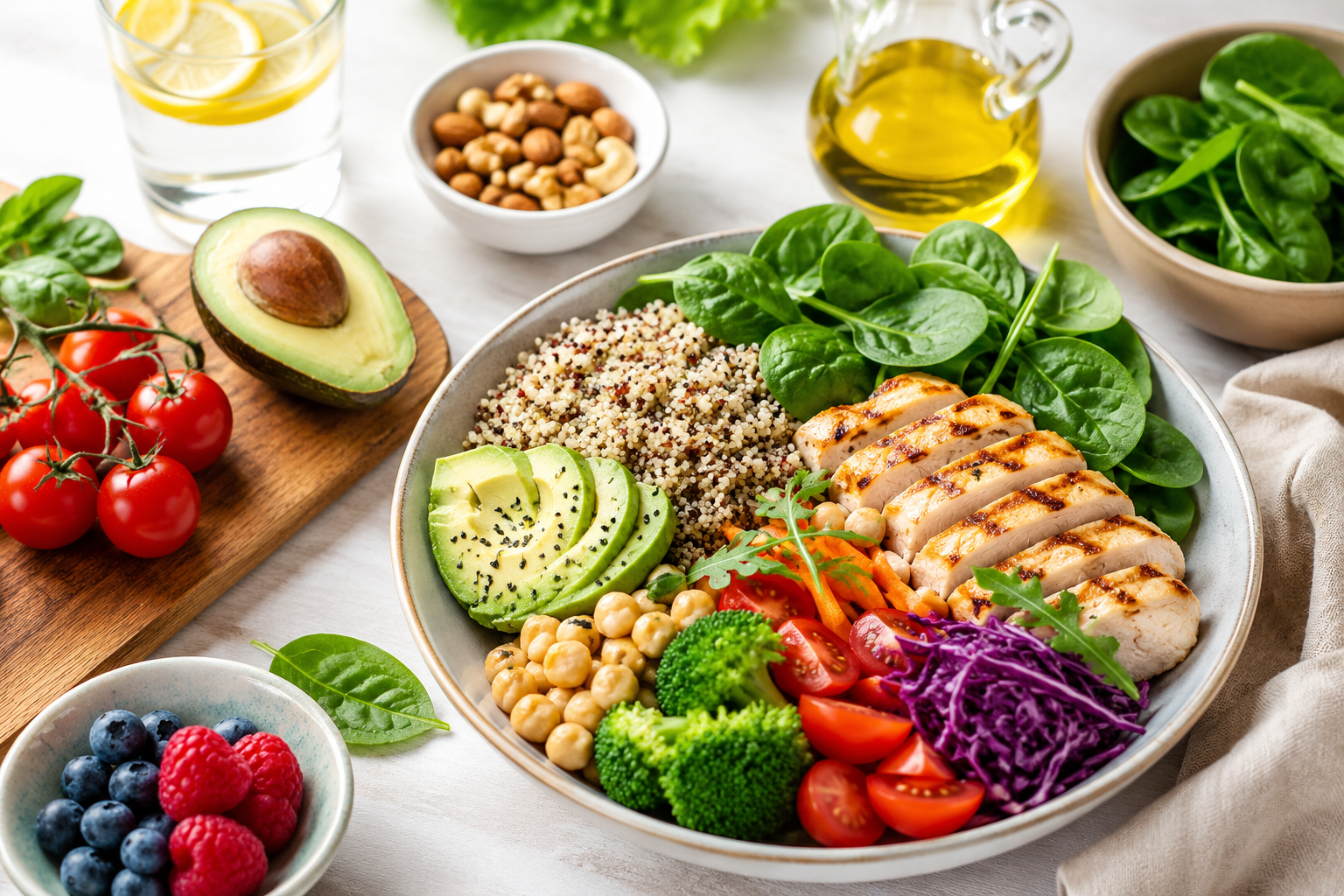
If you enjoy experimenting with simple ingredients, our Healthy Eating Made Simple guide offers practical ideas on building balanced meals without making cooking unnecessarily complicated. For something refreshing and easy, our 2-Ingredient Watermelon Ice Cream is a simple reminder that a familiar ingredient can become something completely different with just a little creativity.
That spirit of simple creativity runs through everything in our World Flavors collection. The beauty of food is that there is always something new to discover — and most of the time, the starting point is closer than you think.
Discover More, One Dish at a Time
World flavors are ultimately about curiosity. Every traditional dish carries a story. Ingredients tell us about the land, cooking techniques reveal generations of accumulated knowledge, and shared meals show how food has always brought people together regardless of where they are from.
You do not need to travel around the world to experience that diversity. Sometimes all it takes is a new recipe, a different spice, or an ingredient you have never cooked with before. So start with what interests you. Explore a new cuisine. Try a traditional method. Taste an unfamiliar combination. Then make it your own — while respecting the traditions that inspired it.
The world is full of incredible food stories. Every meal can be the beginning of a new one.